Tree Crown Shaping in San Jose, CA
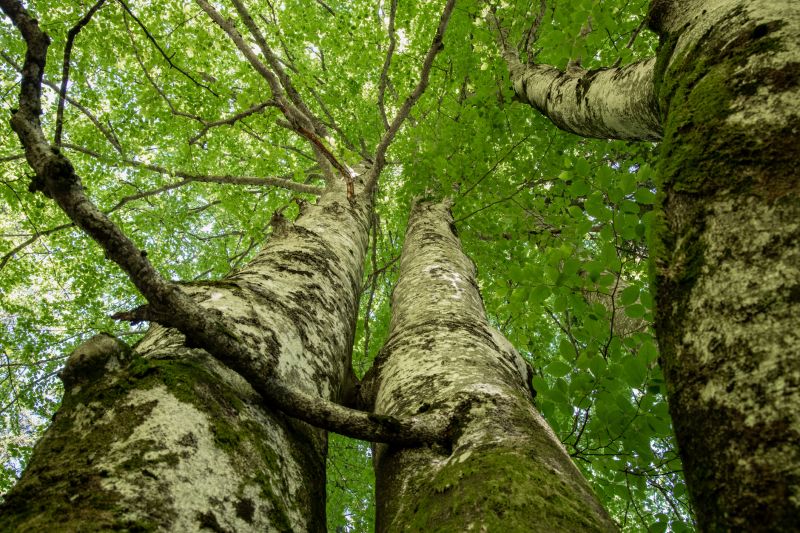
Tree crown shaping services involve carefully trimming and sculpting the upper parts of trees to improve their appearance, health, and safety. This process can address overgrown or uneven canopies, remove dead or weak branches, and enhance the overall structure of the tree. Projects typically include crown thinning, crown reduction, and crown lifting, making trees more aesthetically pleasing while reducing the risk of falling branches or damage during storms. Homeowners often request this service to maintain the visual appeal of their landscape, ensure safety around walkways and structures, and promote healthy growth.
Before requesting tree crown shaping, property owners should consider the current condition of their trees and the specific goals for the project. It’s helpful to understand the type of tree, its size, and whether there are any particular concerns such as diseased or damaged branches. Clarifying the desired outcome-whether for improved appearance, safety, or health-can guide the scope of work. Additionally, understanding any local regulations or restrictions on tree work can ensure the project complies with community standards.
Many property owners in San Jose, CA look into Tree Crown Shaping for repairs, replacements, upgrades, and appearance-related improvements.
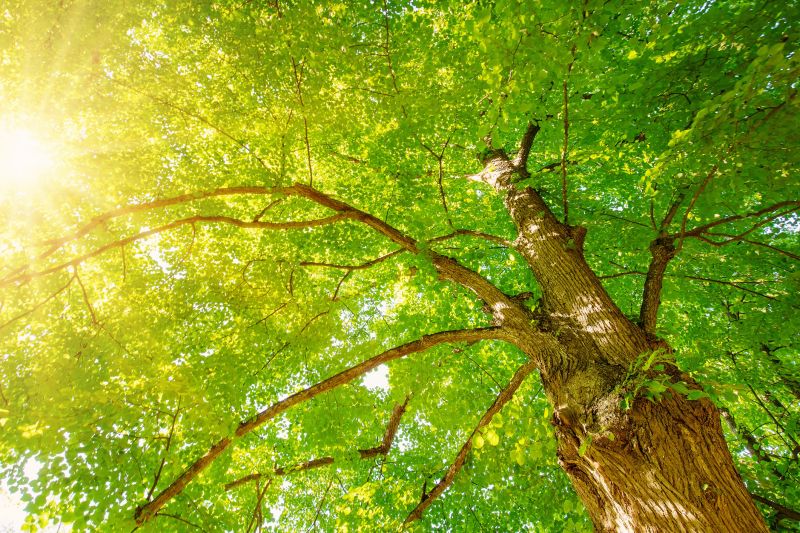
Enhancing Tree Aesthetics
Crown shaping improves the visual appeal of trees in residential and commercial landscapes.
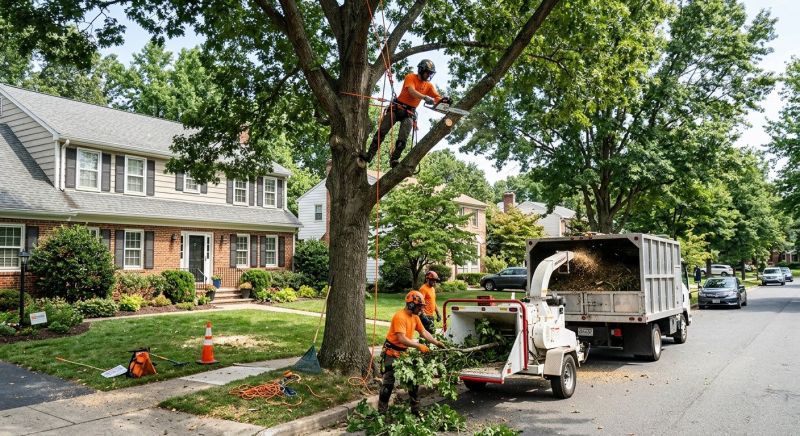
Promoting Tree Health
Proper crown shaping helps maintain the structural integrity and vitality of trees in san jose neighborhoods.
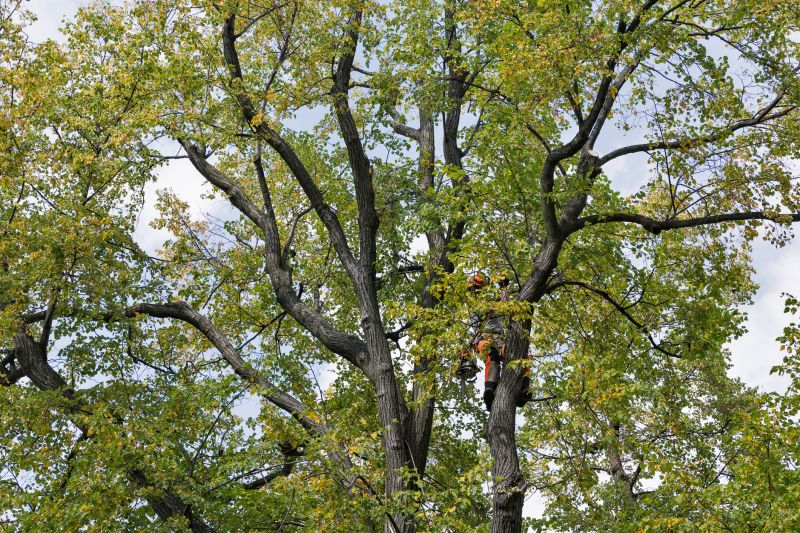
Safety And Clearance
Crown trimming ensures branches are clear of pathways, power lines, and structures for safety and accessibility.
Tree Crown Shaping in San Jose, CA
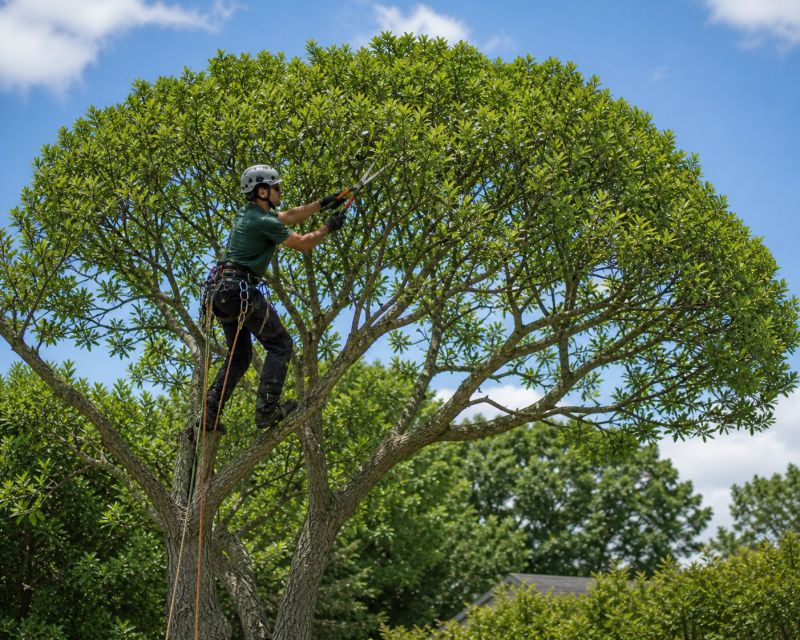
Tree crown shaping services involve carefully trimming and sculpting the upper parts of trees to improve their appearance, health, and safety. This process can address overgrown or uneven canopies, remove dead or weak branches, and enhance the overall structure of the tree. Projects typically include crown thinning, crown reduction, and crown lifting, making trees more aesthetically pleasing while reducing the risk of falling branches or damage during storms. Homeowners often request this service to maintain the visual appeal of their landscape, ensure safety around walkways and structures, and promote healthy growth.
Before requesting tree crown shaping, property owners should consider the current condition of their trees and the specific goals for the project. It’s helpful to understand the type of tree, its size, and whether there are any particular concerns such as diseased or damaged branches. Clarifying the desired outcome-whether for improved appearance, safety, or health-can guide the scope of work. Additionally, understanding any local regulations or restrictions on tree work can ensure the project complies with community standards.
Many property owners in San Jose, CA look into Tree Crown Shaping for repairs, replacements, upgrades, and appearance-related improvements.
Common Tree Crown Shaping Jobs
Tree crown shaping involves pruning and trimming to improve the tree’s overall appearance and structure.
Crown thinning reduces the density of the canopy to allow more light and airflow through the branches.
Crown reduction minimizes the height and spread of a tree to prevent interference with structures or power lines.
Formative shaping helps establish a healthy, balanced structure for young or newly planted trees.
Structural pruning removes weak or crossing branches to promote strong growth and reduce risk.
Selective pruning enhances the tree’s natural form while maintaining its health and aesthetic appeal.
Tree Crown Shaping Questions
What is tree crown shaping? Tree crown shaping involves trimming and pruning to improve the tree's appearance and health by removing overgrown or damaged branches.
Why should property owners consider crown shaping? Proper crown shaping enhances the tree's structure, reduces risk of damage, and maintains a balanced, attractive landscape.
Which types of trees benefit from crown shaping? Most deciduous and evergreen trees can benefit, especially those with dense or uneven canopies that affect safety or aesthetics.
How often should crown shaping be performed? The frequency depends on the tree species and growth rate, but typically it is done annually or as needed to maintain shape and health.
Request Tree Crown Shaping in San Jose, CA
Use the quote form on this page to share the basics of your project and request more information for the type of work you need.